Rethinking Engagement at Corporate Meetings
Corporate meetings tend to have problems of attention drift, low participation, and overload of information. The decision makers observe individuals on phones, being multitaskers, or just zoning out. It is not a failure of engagement due to a lack of interest in the teams; it is death due to a predictable format.
Interaction through games transforms it, making the listeners the participants. Properly designed activities help to focus minds, welcome cooperation, and provide human beings with a purpose to remain mentally active. Game shows for corporate meeting settings work because they mirror how people naturally learn and interact through challenge, curiosity, and shared wins.
Why Participation and Focus Matter More Than Ever?
Involvement leads to retention. Focus drives outcomes. There is a tendency to forget the goals and poor follow-through in meetings that lack any form of interaction. Interactive formats maintain high energy levels while supporting core messages.
A live corporate game show creates moments where teams listen closely, react quickly, and support one another. That experience creates momentum that will continue even after the meeting room. The question may be, is fun appropriate in a business? Yes, because when minds are engaged, they process information at a higher rate and in the long term, they retain the information.
How Game Show Formats Fit Corporate Goals?
When designed with an agenda, game shows can fit the corporate goals. Product knowledge has been reinforced by trivia rounds. Problems used in solving problems are reflections of the actual situations at the workplace.
The use of timed questions makes them think fast on their feet. These aspects are the real world of business, and they do not appear as an additional assignment. Game shows for corporate meeting environments allow facilitators to frame serious topics through light competition. Human beings remain on track as they desire to contribute rather than being compelled to sit in one place.
Designing Experiences That Everyone Can Join
Inclusive design is what defines success. The activities should accommodate introverts, extroverts, leaders, and recruits. Teams make the process less pressurized on an individual, allowing teamwork. Some clear rules and mechanics make it easy for participants to jump in without any hesitation. Humor plays a role here. An offhanded comment or a witty remark reduces the obstacles and opens up the dialogue. Once all are comfortable in participating, participation will increase automatically, and attention ensues.
Technology, Timing, and Flow
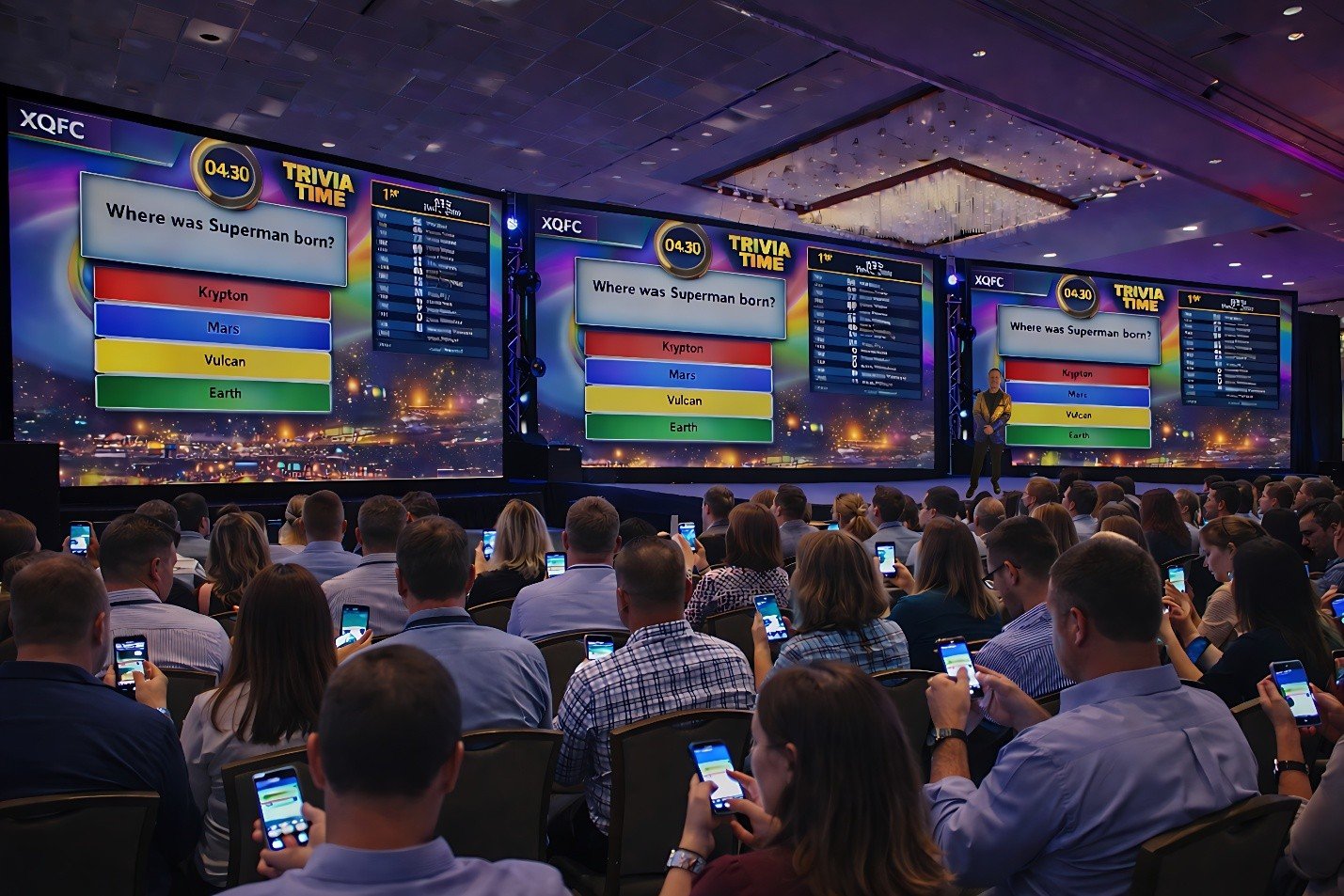
Technology will facilitate interaction as long as it remains smooth. The wireless buzzers, mobile voting, and live scoreboards ensure that the momentum continues. Even the most creative idea may fail miserably at the wrong time, so it is necessary to organize the rounds and transitions. Reading the room, facilitators are able to achieve this by adjusting the energy levels on the fly. At this level, most organizations resort to the services of providers like LIVE GAME SHOW EVENTS since the organized format of games will save them on planning time, while still being able to modify the experiences to varied meeting sizes and objectives.
Team Building Without the Awkwardness
Other team-building activities are coerced. Game shows escape that trap by making the people concentrate on common challenges instead of exposing themselves. There is friendly competition, which does not embarrass anyone. Workers support one another, make jokes, and find their strengths where they had not imagined. A live corporate game show feels less like an exercise and more like a shared break that still delivers value. That balance ensures that teams are engaged without rolling their eyes.
Measuring Real Impact After the Applause
The effect does not cease when the game is over. Satisfaction and great recall of key messages are more likely to be expressed through post-event feedback. Follow-up meetings help managers to detect enhancements in communication and morale. Game shows for corporate meeting use cases also provide measurable data such as participation rates and response accuracy. Those are the insights that will allow leaders to make the following sessions more refined and focus the material more closely on the team’s requirements.
Adapting Game Shows Across Industries and Cities
Interactive formats are easy to adjust to various challenges presented by different industries. Competitive scoring is the success of sales teams. Knowledge checks are advantageous in training. Strategic puzzles are used at the leadership retreats to initiate a conversation. Game-based engagement can be done in large cities or small venues, virtual rooms, or a combination of either, with proper planning. These experiences remain applicable in various corporate settings because of their flexibility.
Conclusion: Turning Meetings into Meaningful Experiences
Corporate meetings can perform their role successfully as long as individuals remain present, engaged, and willing to take action. The interaction through games brings an active experience to the passive sessions, promoting attentiveness and cooperation. Careful planning, diverse involvement, and goal setting are all that matter.
Game shows for corporate meeting environments offer a practical way to achieve those goals without sacrificing professionalism. A live corporate game show adds energy, clarity, and connection that traditional formats often miss. Live Game Show Events are usually sought after by organizations that prefer a lean operation and expect to enjoy well-organized, interactive events that make the otherwise mundane meetings worth recalling.
Frequently Asked Questions
Q. How can companies measure success after using game shows for corporate meeting events?
Game shows for corporate meeting setups improve engagement because they shift people from passive listening to active participation. Interactive questions, friendly competition, and teamwork keep attention levels high and encourage everyone to stay mentally involved throughout the session.
Q. How can companies measure success after using game shows for corporate meeting events?
A live corporate game show breaks up long sessions by adding timed challenges and interactive moments. These elements reset attention spans and help participants refocus on key topics without feeling mentally drained.
Q. How can companies measure success after using game shows for corporate meeting events?
Yes, game shows for corporate meeting formats scale well for large teams. Group-based play, digital response tools, and clear rules allow hundreds of participants to engage at the same time without confusion or downtime.
Q. How can companies measure success after using game shows for corporate meeting events?
A live corporate game show fits well into training sessions, annual meetings, leadership retreats, and sales kickoffs. Any meeting that requires participation, knowledge retention, or collaboration benefits from this interactive approach.
Q. How can companies measure success after using game shows for corporate meeting events?
Game shows for corporate meeting use cases adapt easily to virtual and hybrid environments. Online platforms, live scoring, and real-time interaction help remote participants stay connected and involved alongside in-person attendees.
Q. How can companies measure success after using game shows for corporate meeting events?
Live corporate game show activities promote teamwork by encouraging collaboration rather than individual performance. Participants rely on shared problem-solving and collective decision-making, which strengthens communication and trust among team members.
Q. How can companies measure success after using game shows for corporate meeting events?
Success from game shows for corporate meeting events shows through higher participation rates, stronger recall of key messages, and improved post-meeting feedback. Leaders often notice better engagement and communication in follow-up discussions as well.
